Universal Flu Vaccine Offers Immunity for Life for All Influenza Types

Scientists have successfully completed the first trials of a new flu vaccine that could provide immunity against all known strains of flu and may offer life-long immunity.
People currently have to have vaccine in injections every year to deal with variants of the influenza virus and mutations that render the old vaccines useless.
The research team, led by Dr Sarah Gilbert of the Jenner Institute at Oxford University in the UK, has developed and tested a new vaccine.
The new vaccine targets vital proteins located well inside the flu virus that are a fundamental building block for the virus. The protein has not changed for 40 years and appears unlikely to change. These internal proteins that are common across all strains.
In the past the vaccines have targeted proteins that sit on the virus's external coat, and which are much more liable to mutate.
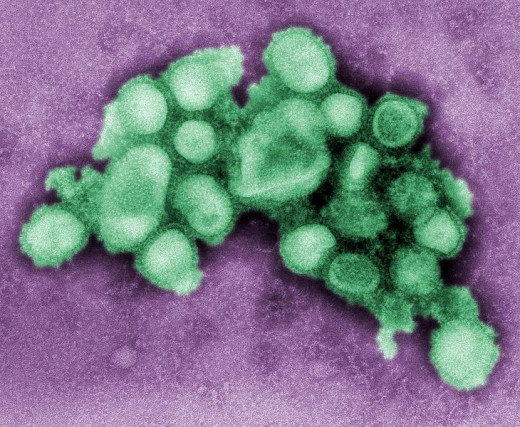



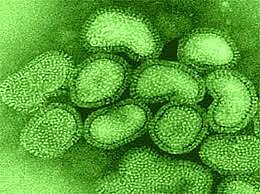
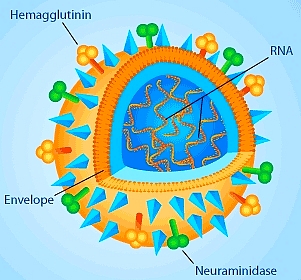

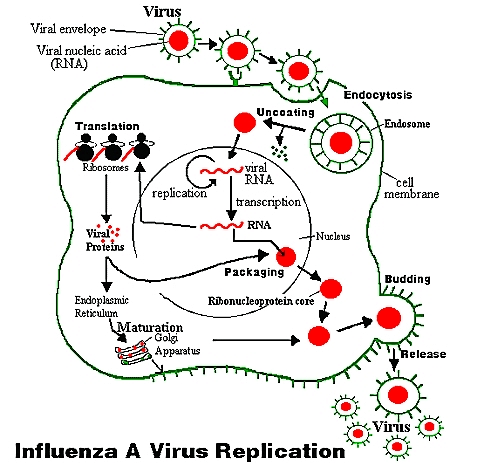
The new vaccine targets two proteins inside the flu virus that are much more similar between strains and less liable to change over time. The targeted protein is more than 90% identical in all strains of influenza A. The nucleoprotein is wrapped around the viral RNA. It is essential for the virus because the genome becomes unstable, if the nucleoprotein is not present.
The researchers have stated that the virus can not do without it and it has a very particular and vital function. The protein is a structural protein which is part of the inside of the shell around the virus. If it mutates, it won't work.
The problem with flu is that there are many different strains and they keep changing and mutating. Occasionally a new strain one comes out of wildfowl or pigs and human's not immune to it. New vaccines cannot be made quickly enough to cope and it is very expensive for the patients which may require annual vaccinations.
If there new vaccine is a success it would mean that influenza could be vaccinated against like other diseases like tetanus.
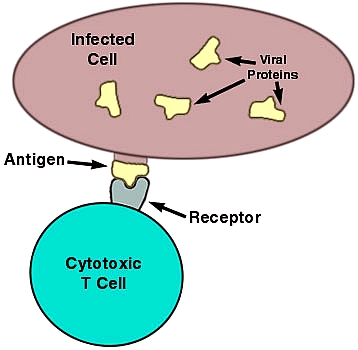
For the trial 11 healthy volunteers were given the vaccine and then infected with the virus, along with 11 non-vaccinated volunteers. The vaccine boosts the number of the body's T-cells, which are important to the body's immune response, identifying and destroying cells infected by a virus. The volunteers' symptoms were monitored twice a day, including runny noses, incidence of coughs and sore throats, and how much mucus they produced.
The results, though only from a very small sample, showed that the vaccinated volunteers were less likely to develop flu and also showing a boost in T-cells. The next step a field trial involving several thousand people and more rigorous testing. It will take several more years, therefore, before Gilbert's vaccine can be licensed for use alongside traditional, antibody-inducing vaccines.
If successful and the vaccine was widely used, such a universal flu vaccine could help to prevent future pandemics, such as the recent bird flu and swine flu outbreaks that occurred in recent years, and end the need for a seasonal flu jab. It would also avoid the annual process of developing a seasonal vaccine that takes at least four months. If the flu strain is highly pathogenic – as occurred in 1918 when millions of people were killed – the delay could mean thousands of people could die or get sick before the vaccine had been prepared, tested and was available in sufficient quantities to be effective.
The researchers showed that the trial proved two important things about the vaccine. It showed that it was safe; and giving people flu virus in the presence of lots of T-cells induced by the vaccine was absolutely fine.
It is hoped that the vaccine could provide better protection against flu for older people who have less efficient immune systems are not as good at making new antibodies. What the researchers are trying to do with our T-cell vaccine is re-activate the T-cell responses they've already got as a result of their previous exposure to flu.
© janderson99-HubPages
Update
© 2011 Dr. John Anderson